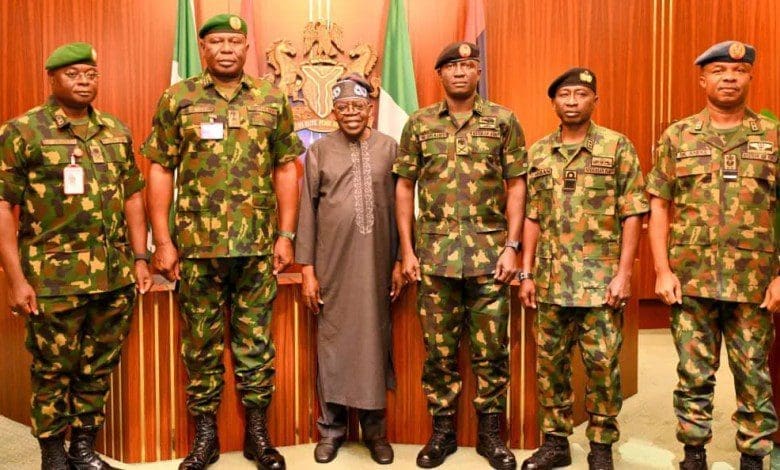
New evidence links detained officers to political figures and a secret $30 million trail as the presidency fights to control the narrative.
By TruthNigeria Staff
Nigeria’s government has intensified its crackdown following reports of a possible coup attempt arresting a social media user who posted about a military takeover, raiding homes of political figures, and detaining more than forty military officers in what sources describe as an unprecedented internal purge.
The latest arrest , Innocent Chukwuma, known on X (formerly Twitter) as The AgroMan has drawn public outrage after he was traced and arrested in Oyigbo, Port Harcourt, for a post that read: “A coup in Nigeria is needed. Dispose of APC, suspend the Nigerian Government… this will eventually happen… Only the military can reset the country.”
His account has since been suspended, but his words have ignited debate over the government’s tightening grip on expression.
“What we’re seeing looks less like an investigation and more like an intimidation campaign,” said civil rights advocate Atta Aloy. “It’s easier to jail citizens for their tweets than to face the real issues inside the army.”
Weeks earlier, Nigerian officials dismissed coup rumors as “baseless.” But TruthNigeria’s investigation shows that what began as whispers of discontent in the barracks has expanded into a full-blown political and intelligence storm, one that now stretches from military detention cells to the corridors of power in Abuja.
Raids Reach Political Circles
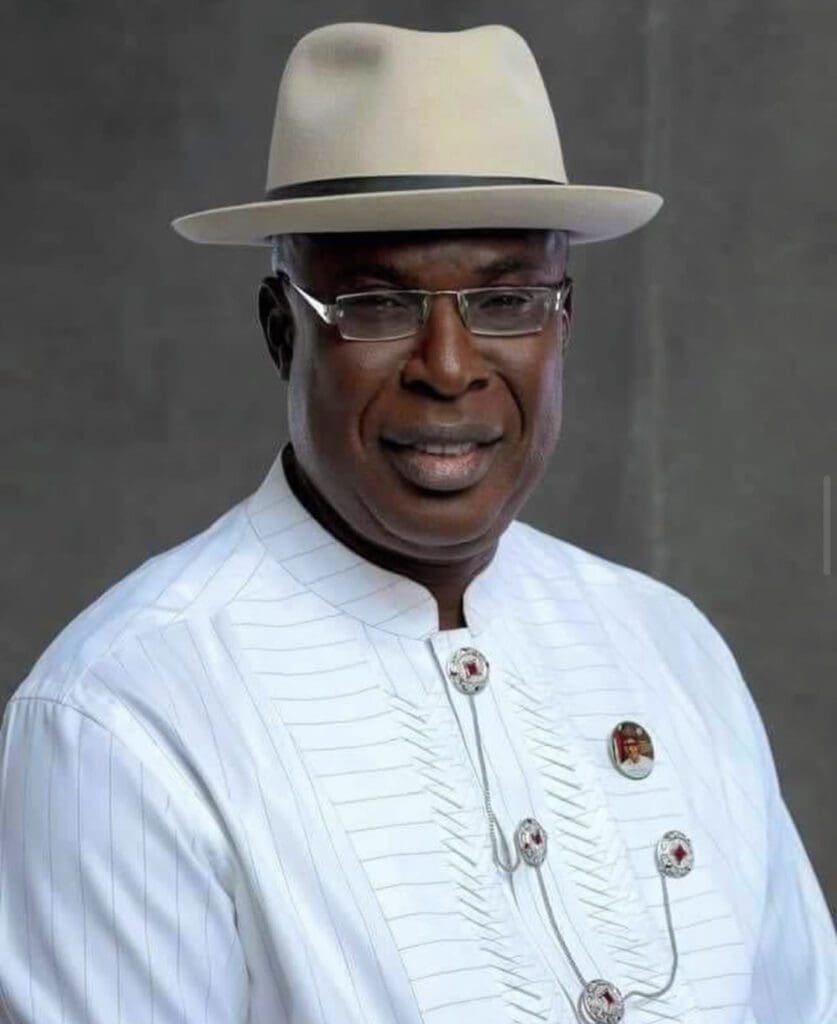
According to SaharaReporters, the most dramatic twist came with raids on the Abuja and Bayelsa homes of former Petroleum Minister Timipre Sylva, where his younger brother was reportedly arrested and documents seized. Defense sources described the operation as “a coordinated military action under defense command.”
Sources quoted by ThePapers.ng say a “special military team” conducted the operation following intelligence suggesting the “former South‑South governor” met privately with some of the arrested military personnel. “This is no longer a routine security sweep,” said a retired officer familiar with the operation. “It looks like a purge, one that could reshape alliances inside the army and beyond.”
42 Officers in Detention and Counting
At least 42 military officers, including colonels and majors, are reportedly being held by the Defense Intelligence Agency (DIA). The army earlier confirmed sixteen arrests but has since gone silent. Families say they have been denied access to their relatives.
Top defense sources shared with TruthNigeria a list of sixteen senior officers currently detained, all from Northern Nigeria drawn from the army, navy, and air force. They were reportedly arrested after weeks of surveillance for “unauthorized meetings” and “suspicious financial communication.”
According to the Premium Times, among them is Brigadier General Musa Abubakar Sadiq, believed to be a key suspect. Others include Colonel M.A. Ma’aji, Lieutenant Colonel S. Bappah, and Lieutenant Commander D.B. Abdullahi of the Nigerian Navy. Many have previously faced disciplinary probes, raising questions about whether the detentions are truly coup-related or politically motivated.
A defense insider said investigators were tracing “external sponsorship and political connections,” though no evidence has been publicly disclosed.
The $30 Million Trail
Part of the probe reportedly involves a $30 million financial trail linked to the Niger Delta Development Commission (NDDC). Anti-corruption agencies are examining transactions between contractors tied to former officials now under scrutiny.
While it remains unclear whether the funds financed any coup-related activity, the timing of the raids and financial investigations has drawn speculation that intelligence agencies are crossing into political territory.
“When intelligence work merges with politics and corruption probes, facts get lost in the fog,” said Lagos-based analyst Philip Esan.
Tinubu Tightens His Grip
Amid growing unease, President Bola Ahmed Tinubu, a Muslim from Nigeria’s Southwest, has moved to consolidate power. His media adviser Bayo Onanuga told national television that the government “stands by the military’s position” and dismissed contrary reports as “rumors and propaganda.”
Shortly after, Tinubu abruptly reshuffled Nigeria’s military command, replacing the Chief of Defense Staff and several service chiefs while retaining the head of the DIA; the very agency leading the coup probe.
“You don’t overhaul your security structure during a coup scare unless you’re nervous,” said a Western Security analyst. “Tinubu is signaling loyalty first, accountability later.”
A Crackdown Beyond the Barracks
The arrest of Chukwuma, the X user, has drawn widespread criticism. “They can trace a tweet in hours but can’t rescue kidnapped students in weeks,” one X user posted.
Rights advocates say the arrest signals a broader slide toward authoritarianism. “When governments grow insecure, the first casualty is free speech,” warned Chime Ume, a civil rights advocate. “We’re seeing that pattern now.”
The Ethnic Undercurrent
Many detained officers come from Northern Nigeria, a region that has historically dominated the armed forces but now feels politically marginalized under Tinubu.
A retired northern officer told TruthNigeria the detentions appear “more ethnic than professional.”
“It’s starting to look like a power cleansing disguised as a coup investigation,” he said.
Analysts warn such divisions have haunted Nigeria’s military for decades. Six successful coups and several failed ones have often been fueled by resentment over favoritism and corruption.