Constant Fulani Terrorist Raids Creating Famine in a Land of Plenty
By Lawrence Zongo
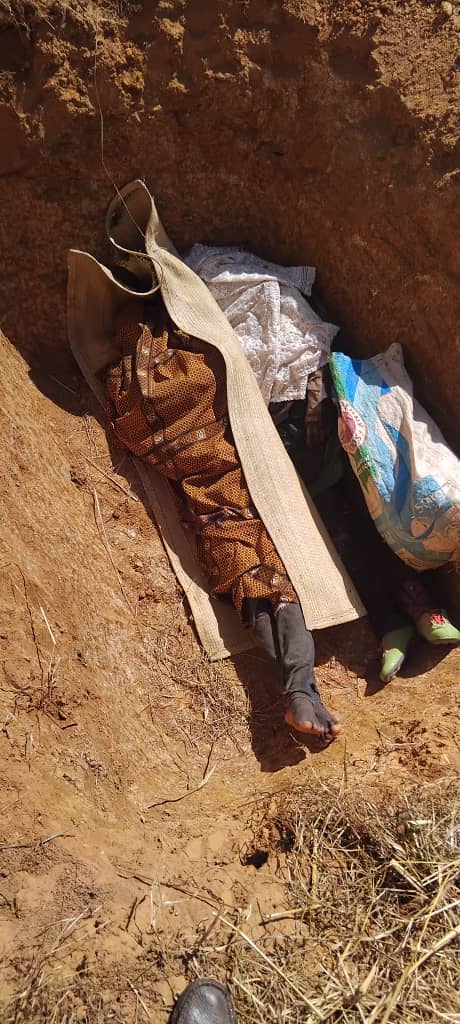
(Jos) Guns erupted in Mwar Village in Plateau State on Saturday night, Nov. 29, as villagers ran first to the nearby military checkpoint — barely a few hundred meters away — pleading for help. But the soldiers on duty, at least ten of them according to residents, never responded. Moments later, Fulani ethnic militias flooded into the farming community with rifles and machetes, killing three villagers and injuring two others.
“They reported to them twice, but they didn’t respond until the attack was carried out,” said Sohotden Mathias, a volunteer with the International Committee on Nigeria (ICON) who has been documenting the violence. When TruthNigeria sought comment from soldiers at the checkpoint, the officers simply said, “We have no permission to speak to journalists now.”
The silence has become a pattern in central Nigeria’s beleaguered Middle Belt — a region long known for its fertile soil and enormous agricultural output, now ravaged by constant waves of attacks blamed on Fulani Islamist militias.

Inside a small clinic in Panyam, 56-year-old farmer Luther Jeshak lay still on a worn hospital bed, his hand bandaged after a bullet tore through it. He had survived the attack on Mwar and recalled hearing the gunmen calling to him in the Fulani language. “They said if I didn’t come out, they would kill me,” he told TruthNigeria. When they could not break the door quickly, they shot through it, the bullet blasting through his hand. The attackers, he said, finally broke into the house, seized his 16 cattle, and left him bleeding heavily.
Across surrounding communities — Narohos, Kabuk, Tim, Kopang, Jibilang, Jibin, Kabung, Mihdihinand, Manden, and dozens more — victims tell the same stories: gunmen arrive at night, homes are burned, livestock is stolen, and families flee into the bush. The resident doctor at COCIN Dispensary Panyam said he has treated more than 100 Christian farmers suffering gunshot wounds or machete cuts in recent months. “Let’s save life first,” he told TruthNigeria hurriedly, rushing Luther into emergency treatment.
According to survivors and community monitors, the attackers often operate in coordinated groups — some carrying rifles, others armed with machetes. A local hunter told TruthNigeria that four separate groups moved into Mwar during the attack. “They were more than ten in each group,” he said. “Our watchmen tried, but the Fulani overpowered them. The army did nothing. They have compromised.” Local sources say the soldiers may have known the invaders outnumbered them 4 to1.
‘Fulani stop us from farming’
The consequences have been catastrophic for food production. Mangu County, considered one of the most fertile lands in Plateau, normally produces maize, Irish potatoes, vegetables, and livestock for markets across West Africa. But Mathias said over 5,000 hectares of farmland have been abandoned in the last two years alone. “We are losing billions of naira,” he said. “We need food in our IDP camps.”
Displaced Persons with Nothing — and No Muslims Among Them
The humanitarian crisis is massive. According to Mathias, the April–May 2023 attacks across Mangu displaced more than 104,000 people and claimed more than 2,000 lives. Entire villages were destroyed, food storage burned, homes flattened, and livestock looted.
He emphasized that none of the displaced persons in the camps are Fulani Muslims, adding, “If you go to every camp, you will not find a single Fulani Muslim. They are not IDPs. They are occupying 23 sacked communities.”
Today, thousands of displaced families live scattered across host communities, while several hundred crowd into makeshift IDP camps with almost no government support.
Mathias said food is the most urgent emergency. “If charities or churches do not bring food, they sleep hungry,” he said. The government, he added, rarely offers relief. The displaced stay in open classrooms or churches and lack agricultural tools, medicine, or support to rebuild their destroyed homes. “The IDPs are traumatized with no food or care,” he said. “They want to return home, but their communities are still occupied.”
Some local leaders argue the violence mirrors the earlier jihadist expansion led by Fulani warlord Usman Dan Fodio in 1804. Rev. Ezekiel Dachomo, a vocal clergy leader, told TruthNigeria the current attacks represent “a 21st-century version of the Fulani jihad,” and urged the United States and international community to intervene to stop what he calls a Christian genocide in Nigeria.
Back in his hospital room, Luther explained how close he came to death. After breaking through his door, the gunmen struggled to overpower him because their real target was his cattle. “Struggling was wasting their time,” he said. Eventually, they seized the animals and left. Bleeding heavily, he fled to his neighbors for help. “Blood was rushing,” he said quietly. If he had been alone, he believes, he would not have survived.
A Fertile Land Starving
With farmers unable to plant, markets emptying, and farmlands overtaken by armed groups, hunger is tightening its grip on communities that once fed the region. Mathias said bluntly: “This is a nonstop attack.”
Unless security forces protect villages — and unless the displaced receive real assistance — Mangu, once Nigeria’s food basket, may soon struggle to feed even its own survivors.
Lawrence Zongo is a conflict reporter for TruthNigeria.