A reported pause in attacks around Ngoshe has sparked warnings that insurgents may be using the lull to regroup, as conflicting accounts emerge over a secret ceasefire, ransom allegations, and the release of 360 captives.
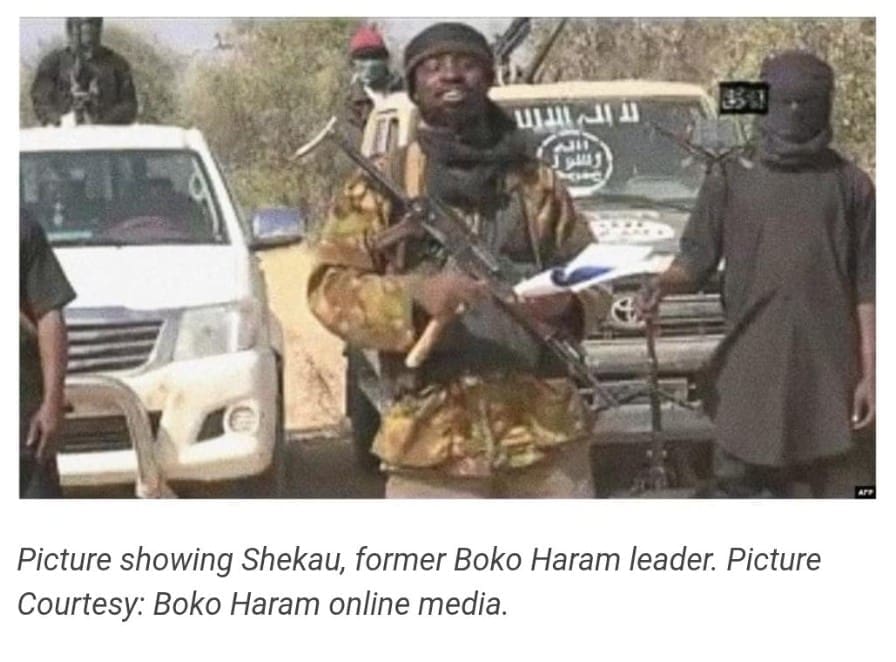
BORNO STATE, Nigeria — A reported lull in Boko Haram attacks around Ngoshe is raising fresh concerns among security experts who warn the pause may allow insurgents to reorganize, recruit, and strengthen their battlefield position. The uncertainty follows conflicting accounts of a possible three‑month ceasefire allegedly negotiated with the Boko Haram faction led by Ibrahim Bakura Doro — an arrangement the Nigerian government has not confirmed and the faction itself now denies. The ambiguity has deepened questions about Nigeria’s counterterrorism strategy, especially after 360 captives were returned in June under circumstances still disputed by residents, the military, and humanitarian sources.
“The military must carefully examine whether Boko Haram is genuinely reducing violence or using the pause as a tactical opportunity,” Col. Akah Ujah (rtd.) told TruthNigeria.
Ujah’s warning comes six months after Boko Haram attacked Ngoshe, in Gwoza County, Borno State, on March 4, killing civilians and soldiers and abducting hundreds, mostly women and children.
In June, 360 captives were returned, but whether they were rescued by Nigerian troops or released following negotiations remained disputed. The Nigerian Army said its troops rescued them from a Boko Haram enclave, while Ngoshe sources gave a different account and said many residents remained missing.
The New Humanitarian subsequently reported that the release was linked to a secret three-month ceasefire allegedly negotiated between Nigerian government representatives and the Boko Haram faction led by Ibrahim Bakura Doro.
The arrangement reportedly began in June and coincided with reduced attacks around Ngoshe, according to The New Humanitarian.
Nigeria’s Federal Government has not publicly confirmed such an agreement, while the Defence Headquarters declined to comment when asked about the report. The government’s stated position is that it does not negotiate with terrorist organizations.
The uncertainty deepened September 15 when a man identified as Mallam Abdulrahman, speaking on behalf of the Bakura Doro faction, denied that the group had entered into a ceasefire or negotiations with Abuja and dismissed reports of a ransom payment.
A Pause That Could Benefit The Insurgents
The conflicting accounts leave the reported truce unconfirmed. But the security implication of any sustained lull remains significant.
Armed groups can use reduced fighting to reorganize, recruit, move equipment and improve their operational position. The New Humanitarian reported that the alleged arrangement was intended to facilitate the release of hostages and that the pause could give Boko Haram room to strengthen its position.
“Intelligence gathering, surveillance and operational readiness must continue even if communities experience fewer attacks”, Ujah noted.
He warned that troops who have fought the insurgency for years should not interpret reduced violence by one faction as the end of the wider threat.
The concern comes as Nigeria seeks to expand its military capacity. President Bola Tinubu approved the expansion of the Nigerian Army from eight to 12 divisions and authorized the recruitment of 28,000 additional personnel in July.
The expansion aims to improve command, response times, equipment and readiness. But the lull raises concerns about sustaining manpower and pressure to prevent insurgent recovery.
One Faction, Not The Whole Insurgency

The reported arrangement also excludes Islamic State West Africa Province, or ISWAP, a rival jihadist faction active in northeastern Nigeria.
That distinction is critical. A reported understanding with Bakura Doro’s faction would not remove ISWAP from the battlefield or end attacks by other armed groups.
The New Humanitarian reported that Boko Haram and ISWAP remain rivals, while its investigation described the reported ceasefire as involving the Doro-led Jama’at Ahl al-Sunna li-Da’wa wal-Jihad faction.
“The continued presence of ISWAP means Nigeria must view the reported agreement as one part of a broader security challenge rather than a final solution,” Ujah explained.
Election Timing Adds Political Sensitivity
The reported arrangement also comes months before Nigeria’s 2027 general elections, with the presidential and National Assembly elections scheduled for January 16, 2027, according to INEC’s revised timetable.
The timing does not establish that the reported truce is politically motivated. But it gives added significance to any security arrangement involving an armed group that has fought the Nigerian state for nearly two decades.
Scott Morgan, a Washington-based security analyst, said the development could be viewed as a test of whether engagement with one Boko Haram faction could produce a measurable reduction in violence while other armed groups remain active.
“There are several ways to look at this. First, is this a trial balloon to see if this strategy is actually feasible?” Morgan said.
His assessment does not establish that the government has adopted a new strategy, but it highlights the uncertainty surrounding an arrangement Abuja has neither confirmed nor publicly explained.
Government Rejects Ransom Claim
The reported truce has also raised questions about the circumstances surrounding the release of the 360 Ngoshe captives.
The New Humanitarian reported an alleged ₦5 billion payment connected to the release. Nigerian authorities have denied paying ransom.
Borno State authorities had also previously denied that ransom was paid for the release of the 360 abductees.
The ransom allegation therefore remains contested. So does the larger claim that a government-Boko Haram ceasefire exists.
For Ngoshe families, any lull means children return to school, farmers reach fields, worshippers attend services and residents sleep without fearing another raid.
But the reported ceasefire remains unconfirmed by Abuja and denied by the alleged Boko Haram faction, leaving security planners to determine whether violence has truly weakened or merely paused.
Onibiyo Segun reports on terrorism and conflict for TruthNigeria.