Hostage releases and temporary ceasefires have produced short-term gains, but no sustained process for ending the insurgency
By Mary Kiara
(Lagos) – Tracing the frayed edges of a photograph inside a dusty displacement camp, 18-year-old Rebecca Musa begs state negotiators to buy her missing sister’s freedom at any price.
“If negotiating with them brings my sister back alive, I support it,” Rebecca told TruthNigeria, voicing the raw desperation shared by thousands of families across northern Nigeria.
“All I want is my sister alive,” Rebecca added.
For families suffering the abduction of loved ones into Boko Haram captivity, whether a government should negotiate with terrorists is not an academic debate. It is measured in days spent waiting for a child, sibling or parent to return.
The Drama of Denials
While the Nigerian government publicly insists it never negotiates with proscribed terrorist organizations, evidence on the ground reveals a pattern of secret compromises.
Defence spokesperson, Samaila Uba recently claimed the military does not directly engage in negotiation deals.
“We do not also support the payment of any ransom,” he said. “The major job of the military is kinetic (combat) operations.”
However, reporting by The New Humanitarian revealed that Nigerian officials had secretly brokered a three-month ceasefire and paid a $3.7 million ransom to the Jama’atu Ahlis Sunna Lidda’awati Wal Jihad (JAS) faction of Boko Haram to secure the release of 360 hostages from Ngoshe
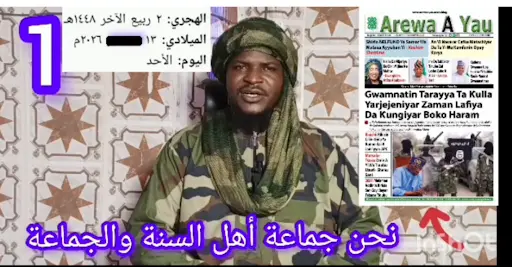
Abuja denied paying ransom, claiming troops rescued the hostages in a military assault. Days later, Boko Haram’s Sharia judge, Mallam Abdulrahman, released a video calling the reported truce a lie timed for Nigeria’s political calendar.
“They know their election season has arrived, so they know this is the season for deceiving the public,” Abdulrahman said, arguing politics is a form of deception, and swearing the group would continue striking state targets.
A History of Fragmented Talks
Nigeria has relied on back-channel contacts since the insurgency began in 2009. Past mediation attempts spanned presidential envoys, religious figures, and foreign mediators.
In 2016, 21 Chibok schoolgirls were freed after negotiations involving ransom and the release of four detained Boko Haram commanders, followed by another 82 captives in 2017 through structures involving Swiss diplomats and local mediators.
The following year, similar back-channel talks secured the release of kidnapped Dapchi schoolgirls under the guise of broader peace efforts
These secret armistices, including a collapsed 2022 armistice, routinely fail because temporary reprieves serve as short-term relief valves rather than permanent settlements.
Talking vs. Negotiating: The Policy Flaw
International conflict negotiators draw a distinction that is crucial for understanding Nigeria’s security crisis. Jonathan Powell, who served as chief negotiator during the Northern Ireland peace process, emphasizes that governments must distinguish between opening communication channels and entering formal negotiations.
“The circumstances for a negotiation require a mutually hurting stalemate,” Powell noted in his conflict analysis, warning that “without structured frameworks, back-channel contacts simply prolong wars.”
Academic research confirms that Islamist networks exploit single-issue deals.
“Jihadist groups agree to negotiate not to compromise, but to buy time, re-arm, and fix broken logistics lanes,” explains counterterrorism researcher Dr. Jakana Thomas.
“When you inject billions into an insurgent network without enforceable commitments, you are simply funding the next cycle of violence.”
Transaction vs. Process
Academic research distinguishes sharply between single-issue negotiations and process negotiations.
A study published by Johns Hopkins University Press concluded that “Boko Haram engages in transactional negotiations, trading hostages for cash or prisoners, but remains ideologically incapable of signing a genuine peace treaty.”
Another review in Terrorism and Political Violence, warned that Islamist groups “tactically agree to negotiate, not because they are willing to compromise, but because they view negotiations as a means to buy time.”
The Agonizing Moral Choice
This cycle leaves victims facing a cruel dilemma. During previous hostage crises, Chibok parents openly urged the government to negotiate because their daughters were suffering in captivity.
“We want the government to negotiate with them so that they can release our daughters,” a representative of the parents said. A parent whose child is inside a terrorist camp judges a negotiation first by whether the child comes home alive.
Yet survivors and families who have experienced repeated raids understand the long-term cost of state compromises.
“We are in agony,” Abubakar Adam, a father from an attacked community, told TruthNigeria, while describing ransom demands made after his family had already paid.
“You know you are feeding the monster that will come back to bite your neighbor, but what choice does a father have when your children are facing death?”
Hostage deals save lives in the immediate term, but when treated as strategy, unmonitored cash payouts remain an engine for continuous conflict.
Mary Kiara reports on terrorism and religious freedom-policy for TruthNigeria.