Her husband, previously detained, now lives in hiding after death threats from Islamic extremists.
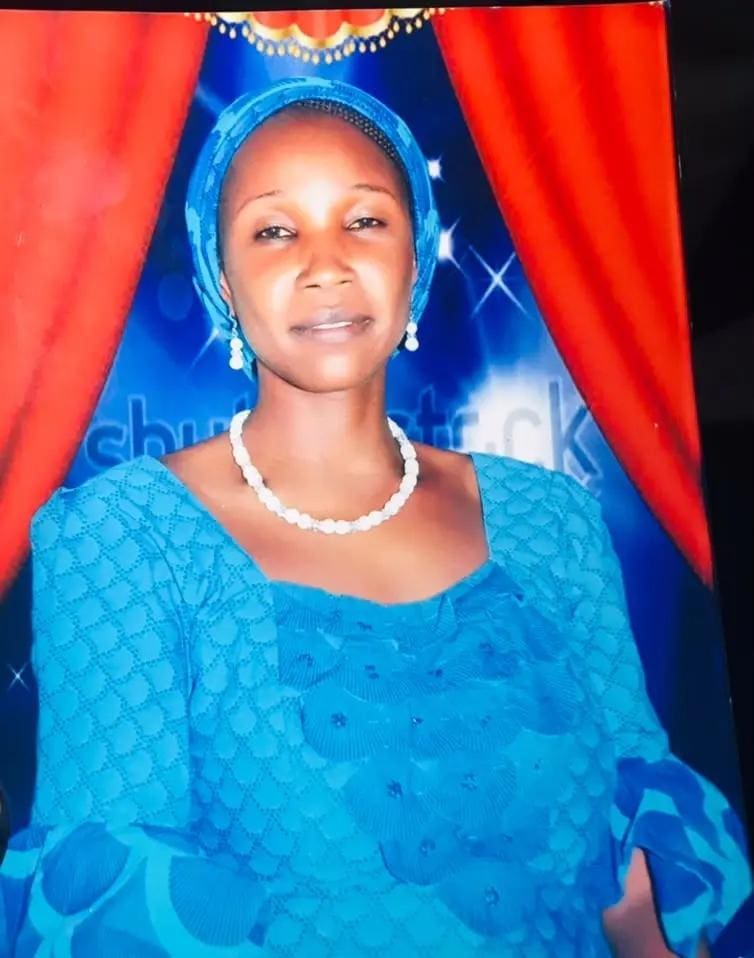
MAIDUGURI, Nigeria — A Christian mother has been sentenced to 14 years in prison for sharing her faith with an adult woman who testified she converted willingly — a ruling critics say exposes deep judicial bias and escalating threats to religious freedom in northeastern Nigeria.
Human‑rights advocates say the case represents a serious breach of Nigeria’s constitutional protections for religious freedom. Liyatu Samuel Dawa, a Christian woman, was sentenced to 14 years in prison in Borno State after sharing her faith with an adult Muslim woman who voluntarily chose to convert to Christianity.
Despite the convert’s clear, uncoerced testimony affirming that she acted entirely of her own free will, the court convicted Dawa under what critics describe as improper religious interpretations rather than any applicable statute. Gavvs Katiya, Chairman of the Gwoza Refugees Resettlement Initiative, told TruthNigeria that the ruling “weaponized her Christian conviction” and imposed a punishment far beyond anything justified by Nigerian law.
While Dawa remains imprisoned, her family has been left exposed to persistent threats from local extremists, deepening the humanitarian and security crisis surrounding the case.
“I Am on the Run, My Life Is Under Threat”
Evangelist Amos Suleman, husband of the imprisoned Christian woman, says the court’s ruling has plunged his family into a crisis that now threatens his life. Suleman told TruthNigeria that he spent months in detention before securing bail and now lives in hiding after repeated death threats from local extremists.
“I’m on the run; my life is under threat,” he said. “I was imprisoned for months like a criminal. After I was released on bail, extremists began hunting for me. I’m not safe anymore. My wife is a good person. The young woman they claim she coerced is an adult — she testified clearly that no one forced her to accept Christ. Yet my wife is in prison suffering.”
The ongoing threats have cut Suleman off entirely from his wife, making it impossible for him to visit her in prison without risking his life.
Judicial Double Standards in Northeastern Nigeria
The severity of Dawa’s sentence has intensified concerns about systemic bias and unequal justice in parts of northeastern Nigeria. Her husband, Evangelist Suleman, told TruthNigeria that the ruling reflects a pattern in which peaceful religious activity is punished more harshly than violent crimes.
Human‑rights lawyer Samuel John said the conviction has no constitutional basis. “No provision of Nigerian law justifies a 14‑year sentence for a consensual religious conversation between two adults,” he told TruthNigeria, calling the judgment “unconstitutional and deeply troubling.”
Suleman echoed that view, alleging that the court relied on religious interpretations rather than statutory law. “The judge subjected her to an Islamic interpretation of Sharia,” he said. “Meanwhile, dangerous criminals who displaced us and killed many people are discharged and acquitted. My wife, who committed no crime, is in prison.”
Advocates warn that the case highlights a broader crisis in judicial fairness for religious minorities in the region, where constitutional guarantees of religious freedom often collide with local pressures, extremist threats, and inconsistent legal enforcement.
A Desperate Appeal for Intervention
Unable to protect his wife through local channels and forced into hiding by persistent threats, Evangelist Suleman has issued an urgent plea to international human‑rights organizations, religious‑freedom advocates, and global leaders. He says the situation has moved beyond what he or any local actor can resolve.
“I’m appealing to the world to save my life and my wife,” he told TruthNigeria, describing a climate in which legal remedies have failed and extremist intimidation continues unchecked.
Advocates warn that Dawa’s case underscores growing concerns about constitutional liberties, judicial fairness, and the vulnerability of religious minorities in northeastern Nigeria. Without external scrutiny and intervention, they say, the ruling risks setting a dangerous precedent — one in which peaceful religious expression can be criminalized while those issuing threats operate with impunity.
For now, Dawa remains behind bars, her husband remains in hiding, and their family remains fractured — a human cost that underscores the urgent need for scrutiny, reform, and protection for those whose only “crime” was exercising their right to believe and to speak freely.
Suleman Ayuba conflict reporter for TruthNigeria.