Tracking the Money Behind Yelewata’s Night of Fire
A TruthNigeria Special Investigation
By Mike Odeh James
On the night of 13–14 June 2025, the quiet Christian-majority farming community of Yelewata in Guma County, Benue State, was plunged into terror.
Waves of Muslim Fulani Ethnic Militia on motorbikes stormed the town, torching homes, shooting villagers, and forcing families into the bush. Scores of victims were forcibly locked into market stalls where they sought safety over the night. Many were then doused with fuel oil and burned to death, according to survivors interviewed by TruthNigeria.
A TruthNigeria Special Investigation throws light on the true cost in human lives on that day, and the likely cost to criminal funders of that operation and dozens of others like it.
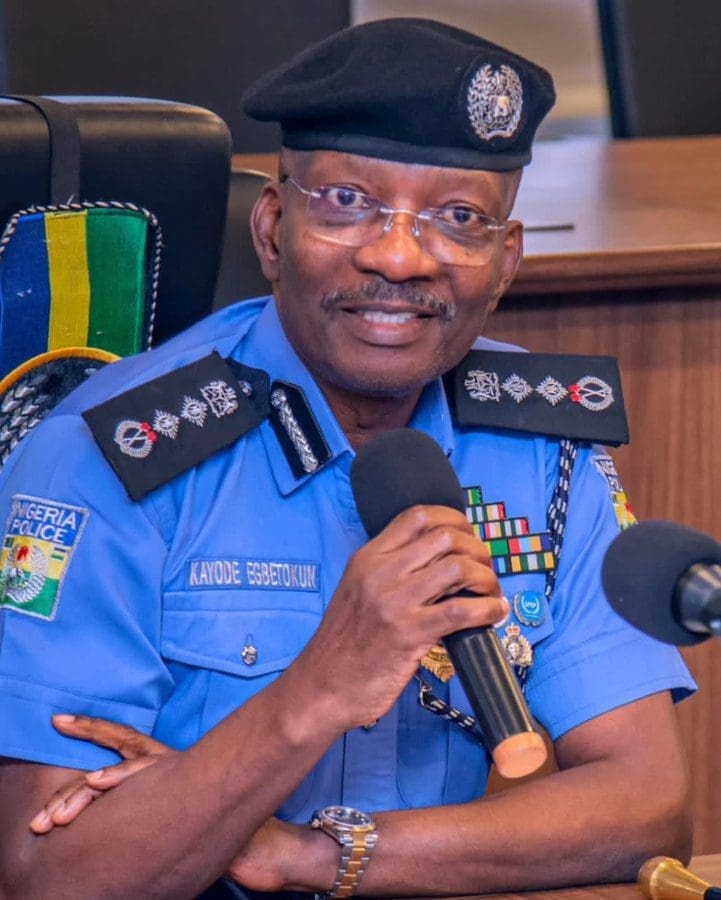
As of mid-June 2025, there were floating estimates from the Nigerian government for the deaths in the June 13 Yelewata attacks. Nigerian Police Inspector General Kayode Egbetokun put the death count at 47 10 days after the attack, which all sources considered an undercount at that point.
The Benue government provided figures that were substantially lower than those reported by TruthNigeria and other organizations.
The casualty undercount from Benue Gov. Hyacinth Alia was 59 dead only on June 16. International news agencies reported more than 100 people killed. Africa News reported 150 by June 18.
Open Doors estimated the death count as 218 just five days after the attack.
TruthNigeria’s investigation currently puts the death toll at over 270.
The Cost to Criminal Funders of the Yelewata Raid
“Attacks of this nature are rarely spontaneous,” said security analyst Samson Hezekiah, based in Makurdi. “These operations are carefully planned with military precision, often involving fighters from neighboring states and even neighboring countries.”
“The Yelewata massacre underscores that Nigeria’s militias are not ragtag bands—they operate like well-financed, mobile armies,” according to Okpani Ode Ohene, a retired police officer who spent years with Nigeria’s Financial Crimes Unit tracking terrorist funding.
According to TruthNigeria’s unique investigation based on open and confidential sources the estimated wages of the paid killers who murdered and tortured 270 citizens was approximately $167, which is 150 percent of the average monthly salary of a Nigerian civil servant.
Category Estimated Cost (₦) Notes
- 1. Fighter remuneration (150 men) ₦37.5m ≈₦250k each ($167 for one day), 4-hour engagement
- 2. Death benefits ₦1m – ₦2m Payouts to families of 2 slain fighters
- 3. Motorcycles ₦90m – ₦250m 50–100 units, high-powered & mid-range
- 4. Fuel & food ₦5m – ₦8m Travel + three days’ rations
- 5. Medical & logistics ₦3m – ₦5m Clinics, rear-area support
- 6. Total Estimate ₦136m – ₦302m ≈$185,000 – $411,000
Based on available intelligence, the most realistic midpoint estimate is around ₦219 million ($298,000).
A Calculated Operation
Many attackers were not local to Benue. “Several of the men who stormed Yelewata had been engaged in a raiding mission along the Plateau State–Nasarawa border before being redirected,” security analyst Hezekiah explained.
“They travelled 150–200 miles on high-powered motorcycles, carrying both weapons and extra fuel. That fuel was later used to torch homes, shops, and refugee shelters in Yelewata.”
“These fighters are highly mobile,” he added. “The combination of speed, planning and local knowledge allows them to overwhelm towns even with police and military presence.”
Okpani Ode Ohene, a retired police officer who spent years with Nigeria’s Financial Crimes Unit tracking terrorist funding, explained the financial mechanics behind militia operations.“The AK-pattern rifles that flooded the Sahel after Libyan stockpiles were looted in 2011 have armed militias cheaply and effectively,” he said.
“Equipping 50 fighters with rifles can cost between ₦12.4 million – ₦66 million. Ammunition, at ₦825 – ₦3,300 per bullet, with 300 rounds per fighter, adds another ₦12.4 million – ₦49.5 million.”
He added: “AK-47s and ammunition can also be rented from conflict merchants in Niger and Chad or sourced locally through illegal fabricators. The ability to arm dozens of fighters with relatively modest investments demonstrates the efficiency of these networks.”
The Likely Cost of Bikers and Bikes
“Motorcycles are central to these raids,” Hezekiah said. “They enable high-speed movement across rugged terrain. Heavy-duty models like the Military BSA and Harley-Davidson MT500 cost between ₦2.5–3 million ($3,400–$4,100) each. Assuming 50 high-end bikes, that alone totals over ₦137 million ($187,000). Mid-range bikes such as Bajaj and Boxer add another ₦100 million ($136,000).”
“Fighters are paid ₦150,000–₦300,000 each for operations,” Okpani said. “For over 150 fighters in Yelewata, that totals roughly ₦37.5 million ($51,000 at N735/USD). This is only one component; families of attackers killed during operations often receive compensation, adding further costs.”
Funding Beyond the Raid on June 13
Contrary to the understanding of some U.S. government officials who spoke to TruthNigeria editors in early September, bloody raids continued on Yelewata in the months following the June 13 massacre, including a raid that killed three in the first week of August. Yelewata women blocked the highway demanding that Nigerian army leave and replaced by mobile policemen. TVC News covered the protest but referred to the killers as “bandits” in accordance with a longstanding Nigerian media convention masking the ethnicity of the Fulani ethnic militia.
Retired policeman Okpani was more transparent. “Fulani terrorists sustain operations through multiple funding channels,” Okpani explained. “Cattle rustling, kidnapping for ransom, and extortion of local communities are the main sources. Some groups profit from illegal mining or money laundering disguised as trade. Others exploit corruption within local and state governments. There are even reports of payments to secure hostages or military equipment.”
He also noted that sociocultural organizations of Fulani are also clandestinely involved in funding operations of these terrorists
“These multifaceted financial strategies make countering insurgency extremely complex,” Hezekiah added. “Militias are not ragtag bands—they are mobile, well-funded networks. Money, manpower and machinery combine to make these operations highly effective.”
Analysts said such funding allows militias to operate with strategic intent.
“It’s not just about weapons or bikes,” Okpani said. “Sustaining these networks requires continuous cash flow—for fuel, food, medical care, and sometimes even bribes to local officials. It’s a business as much as it is an insurgency.”
Scale of the Attack
Yelewata is not an easy target; the town has both military and police presence. Overpowering these defenses required more than 150 fighters, coordinated logistics, and significant financial backing, according to Hezekiah.
“From upfront fighter payments to the cost of high-powered motorcycles and fuel, each component points to a premeditated operation designed to inflict maximum damage,” Hezekiah said.
“The combination of manpower, money and machinery reflects a chilling level of coordination and premeditation,” he added.
Hezekiah concluded: “Understanding how these attacks are funded is critical. Without addressing the financial and systemic enablers, communities like Yelewata, a predominantly Christian town, remain highly vulnerable to assaults by armed Fulani militants, who are overwhelmingly Muslim.”
Mike Odeh James is a conflict reporter for TruthNigeria.