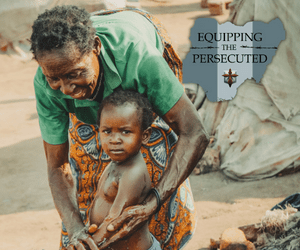
Displaced families were told their villages were secure. Instead, returnees walked into ambushes, mass killings, and long-term captivity in Boko Haram and ISWAP forest camps. Survivors say government promises became a deadly trap.
By Suleman Ayuba
MAIDUGURI, Nigeria — For thousands of displaced Christian families across northern Nigeria, government assurances that it was “safe to come home” proved catastrophically false. Officials urged refugees to return to cleared villages, promising restored security and renewed stability. Instead, women and girls were delivered straight into the hands of Boko Haram and Islamic State West Africa Province—violent extremist organizations responsible for mass killings, abductions, and systematic human rights abuses. Across Borno’s border communities, homecoming became a pipeline to captivity, starvation, and forced religious conversion.
A Son’s Broken Dream
For Luka Tada native of Ngoshe County Gwoza Local Area of Borno State, the agony is excruciating. His mother has now spent over 400 days in captivity in Sambisa Forest. While occasional negotiations or military maneuvers have seen other captives regain their freedom, Tada’s mother remains in hostages camp in Sambisa Forest under harsh weather condition with dangerous wild animals. The reason for her continued torment is as clear as it is heartbreaking: her unyielding faith in Jesus Christ. See Luka Tada video appealing for the release of his mother.
“After our initial displacement, all I wanted was to make my mother proud,” Tada told TruthNigeria with heavy grief. Driven by the desire to restore his family’s dignity after losing everything to terrorists, Tada poured his heart into his studies, earning a university degree in accounting in University of Benin Edo State Nigeria. But the triumphant moment of graduation offered no solace. “I went to university and studied accounting,” Tada wept, “only to graduate as an orphan after losing everything to terrorists.”
Instead of his mother placing a celebratory hand on his shoulder, Tada stands alone, knowing she is being subjected to daily abuse, open-air elements, and severe starvation in Sambisa Forest simply because she refuses to renounce her faith.
Lured to the Slaughter: The Returnee Trap
The plight of Tada’s mother is not an isolated tragedy; it is part of a structural campaign of betrayal. In a separate, exclusive interview with TruthNigeria, Samuel Bitrus revealed the systematic deception used to lure vulnerable, displaced Christians back into active danger zone fire lines.
According to Bitrus, thousands of Christian families who had survived for 12 excruciating years in refugee camps across the border in Cameroon were enticed back to Nigeria. Promised that peace had been permanently restored, households were handed a meager stipend—around $300—and told to return home.
“It is not an isolated case,” Bitrus told TruthNigeria. “Several Christians were lured to return with 300 dollars per household after spending 12 years in refugee camps in Cameroon, only to meet mass massacres.”
Instead of the rebuilt communities and military protection they were promised, the returnees arrived to find an unguarded countryside. Armed terror groups lay in wait. The initial joy of returning home instantly dissolved into bloodbaths, as extremists ambushed the unsuspecting villagers, killing the men and driving the women and children deep into forest strongholds.
Abandoned in Exile, Starving at Home
Bitrus also decried the ongoing humanitarian catastrophe devastating those who refused or were unable to return. Thousands of Nigerian Christians remain stranded in forgotten refugee camps inside Cameroon, living on bare dirt, stripped of basic dignity and aid.
For those who did return to Borno State, the reality is no less dire. In Pulka, a town located in the Gwoza Local Government Area of Borno State, internally displaced persons (IDPs) are trapped in a secondary crisis. The camps in Pulka suffer from relentless insurgent raids, chronic neglect, and severe food shortages. Surrounding fields remain off-limits due to the constant threat of abduction or murder, leaving families to suffer slow starvation inside overcrowded shelters.
As authorities continue to project assurances of peace and stability, Christian women remain held in forest strongholds. Their captivity—and the silence surrounding it—stands as a stark reminder of the tragic gap between official narratives and the lived reality of persecution Nathan Ibrahim security analyst and Abuja based human rights lawyer told TruthNigeria.