When Ransom Billions Flow Upward, Uniformed Elites Stand on Speed Dial
By Suleman Ayuba
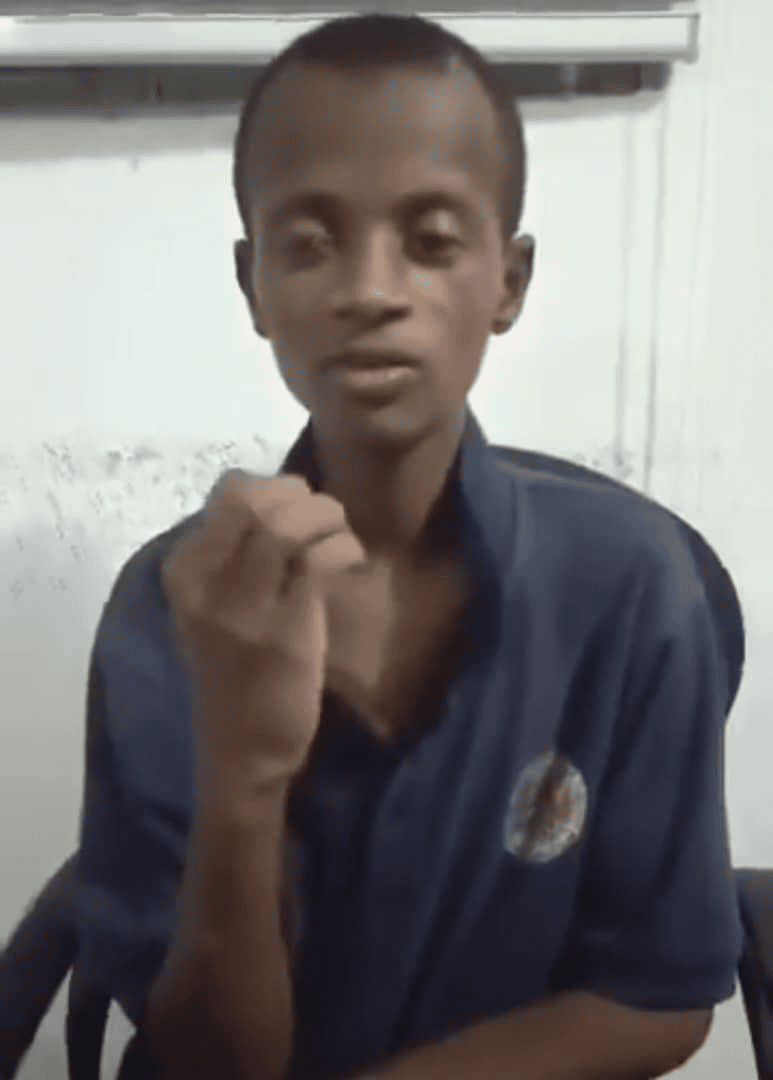
(KADUNA) — After four years of blocking roads, storming houses, and collecting more than one billion naira in ransom, the notorious bandit Dago Sale (also identified in police records as Dogo Saleh or Salisu Mohammed) spoke. From the Rijiba (Rijana) camp area, where he said roughly 500 militias operated, the words pointed past the bush and into the corridors of power.
In a video interview obtained by TruthNigeria from an intelligence source and also shared by a Nigerian military gallery.
The notorious bandit confessed that Fulani officials connected his men with soldiers who supplied the weapons.
“The government knows the terrorists by their names and location. The confession from terrorists is not new; everyone knows they have people backing them to commit the atrocities,” Inspector Isah Muhammad Nasir, a retired Assistant Commissioner of Police, told TruthNigeria in a separate interview.
The camps around Rijana have long functioned as a network of forest holding pens. Survivors have described them as places where captives are starved, beaten, and released only after cash changes hands. TruthNigeria investigations have repeatedly documented these sites as death camps processing hundreds of hostages from Southern Kaduna communities at a time.
Parallel arms pipelines feed the same forest criminal hubs. An arrested gunrunner known as Mallam Buzu confessed to a decade-long route moving AK-47s, RPGs, GPMGs, and rocket launchers from Mali through Niger, Burkina Faso, and Benin into the camps of Dogo Gide, Yellow, and others.
Earlier confessions by other traffickers have described military personnel escorting weapons convoys past checkpoints. “All these records are with the intelligence department. The government did nothing. If we continue like this we would lose a generation. We are heading to a failed state like Libya,” Luka David, a former Department of State Services operative, told TruthNigeria.
Sponsorship Controversies
Theories of sponsors of the terror attacks are a fog of war by themselves.
Allegations against Senator Shehu Buba, who has served as chairman of the Senate Committee on National Security and Intelligence, have persisted since 2024. Bauchi Governor Bala Mohammed petitioned the presidency alleging an aide facilitated Hajj travel for suspected bandit figures. Whistleblowers and circulating videos have linked associates of Dogo Gide to training or visits in Abuja, with claims of weapons moved near the senator’s circles. Buba has denied every charge, submitted himself to DSS, police, and DIA probes, and described the campaign as political sabotage. The denials are on record.
Parallel accusations trail former Zamfara governor Bello Matawalle, now Minister of State for Defence. A former senior aide has alleged that during his governorship Matawalle supplied dozens of brand-new Hilux vehicles to bandit-terrorist kingpins, including Bello Turji and Halilu Sububu. According to the former aide, Matawalle bought rustled cattle at steep discounts, and hosted bandit leaders at Government House for political discussions.
Matawalle has repudiated the claims and challenged accusers to swear on the Quran. Zamfara’s current governor has publicly called for his resignation over the same file. Whether the contacts were negotiation, patronage, or both, the optics of the accusations remain toxic.
Adding to the cloud are the controversies swirling around Abdullahi Bello Bodejo, national president of Miyetti Allah Kautal Hore. He has been arrested multiple times since 2024 on allegations of establishing an ethnic militia, links to attacks, and, most recently, money-laundering and terrorism-financing charges involving more than $2.5 million in cash allegedly received from Bauchi State officials. Courts have ordered his production; EFCC has filed counts. No conviction has stuck, and his group insists the vigilantes were meant to fight bandits rather than become them. Yet, the repeated detentions, the militia formation, and the large unexplained cash flows keep his name inside the same web of elite pastoralist networks.
Commodore Kunle Olawunmi, a former defence spokesperson and counterinsurgency expert who once headed the Defence Intelligence College, has said after interrogations of terrorists: “We have interrogated the terrorists. Their sponsors are Senators and governors.” He has further alleged that there is overwhelming evidence available to senators, governors, and ministers.
Washington knows that the heavy smoke betokens the underlying fire. The United States has designated Nigeria a Country of Particular Concern for religious-freedom violations. Congressional panels have specifically documented Fulani militants as major non-state perpetrators of attacks that disproportionately hit Christian farming communities in the Middle Belt, alongside broader kidnapping and land seizures.
Arms flowing from the Sahel—where jihadist groups operate—into Nigerian forest camps create a potential bridge between criminal banditry and transnational terrorism. Ransom billions recycled into heavier weapons, facilitated by any state-adjacent actors, constitute a financing pathway that can degrade Nigerian military effectiveness and spill instability across borders. Visa restrictions already target individuals linked to anti-Christian violence; the same logic extends to anyone shown to arm or protect the groups doing the killing.
The confession from the Rijiba camp is one voice. The pattern of elite names, vehicle deliveries, cash transfers, and cross-border arms is a chorus. Until the sponsorship question is answered with evidence rather than denials, the forest will keep collecting blood money while the men in suits and uniforms remain one phone call away, public analyst Comrade Eric David Onyilokwu told TruthNigeria.
Suleman Ayuba conflict reporter for TruthNigeria.