Conflicting ransom accounts and missing suspects complicate efforts to secure convictions.
By Onibiyo Segun
OWERRI, Imo State, Nigeria – As five suspects arrested in the October 1 kidnapping of national service candidates head to court, legal analysts say the case exposes the difficulty of assembling evidence‑based prosecutions in Nigeria’s kidnapping crisis, where ransom claims, disputed accounts, and missing suspects often cloud investigations.
The Department of State Services was expected to arraign the five suspects on Tuesday, October 20, at the Imo State High Court within the Justice Chukwudifu Oputa Court premises in Owerri, according to a security source cited by Leadership. Reports available before the planned arraignment did not disclose the charges.
Arrests Follow a Week in Captivity


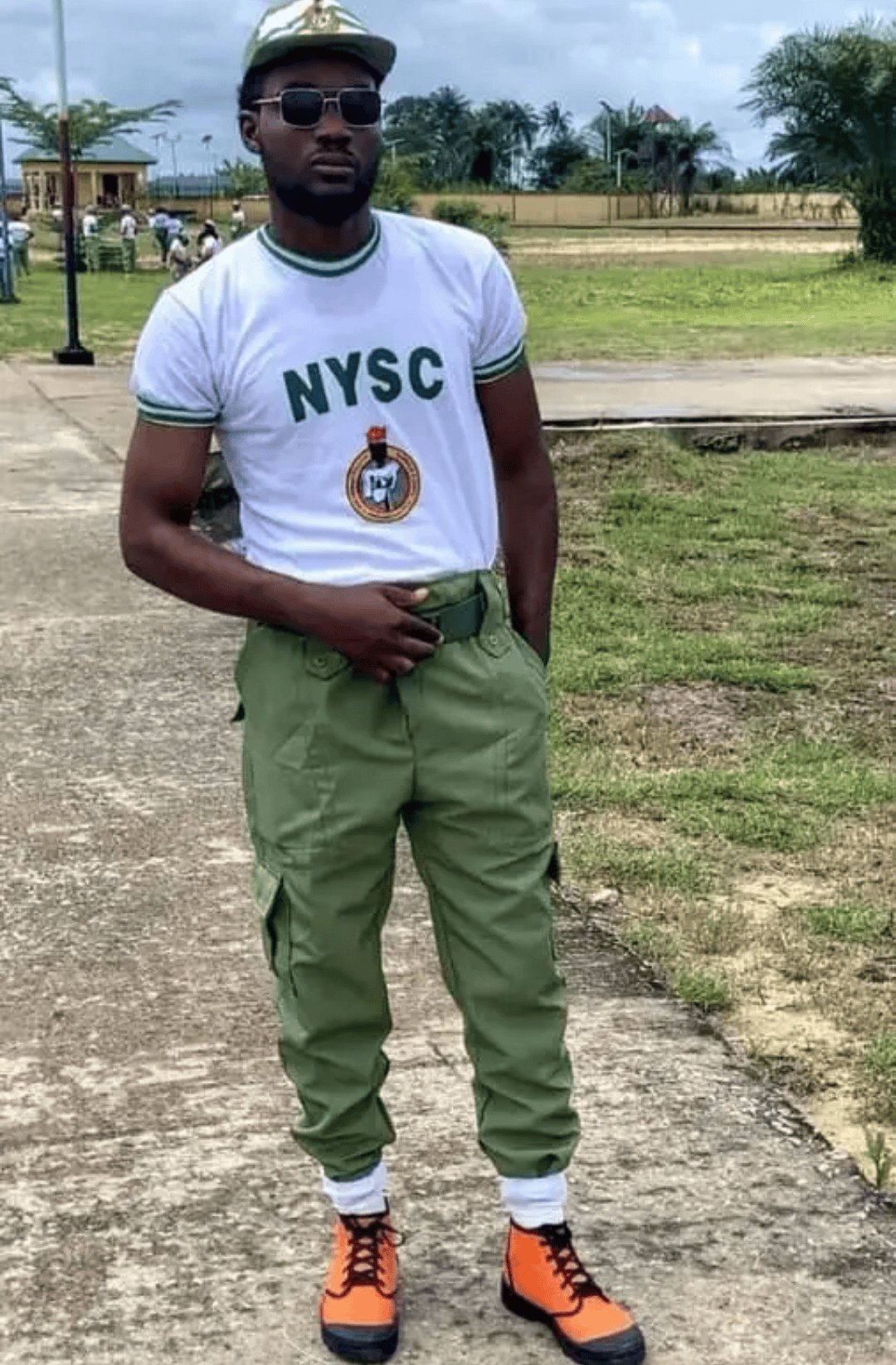
On October 1, armed men intercepted buses carrying prospective corps members along the Owerri–Onitsha Road near Umunoha in Mbaitoli Local Government Area, Imo State. Premium Times reported that twenty prospective corps members were abducted.
The victims were released on October 7 after a joint security operation at Amakohia-Ubi, in Owerri West county ( Local Government Area). TruthNigeria previously reported the ordeal and disputed ransom accounts. Some relatives said families raised millions of naira, while Imo State Commissioner of Police Audu Bosso said a joint security operation not ransom secured the victims’ freedom. Those competing accounts are not proof against the defendants unless evidence connects them to the alleged payments or negotiations.
Five Arrests, Three Suspects Still Missing
THISDAY reported that security operatives arrested five suspected gang members during intelligence-led operations from October 10 to 14 in Port Harcourt, Rivers State, and Aba South County, Abia State. Three other suspects reportedly escaped with gunshot injuries, prompting a manhunt.
Analysts say prosecutors must establish an evidentiary link between each defendant and the abduction, rather than rely on an allegation that all five belonged to the same gang. Evidence should establish each person’s alleged role in the interception, guarding captives, communications, ransom demands, transport, weapons, or other acts supported by the investigation.
‘Evidence Must Connect Each Defendant’, Analyst
“The timeline, abduction on October 1, release on October 7, and arrests between October 10 and 14 shows the capacity to respond after an incident, but does not by itself demonstrate prevention”, Colonel Aliyu Danbaba (Rtd.), a security analyst told TruthNigeria.
Danbaba said security agencies should publish measurable information about response times, arrests, evidence recovered, and progress in locating the remaining suspects.
He went on to say, “investigators should preserve physical exhibits, forensic findings, witness statements, and phone, location, or financial records obtained lawfully.”
“Investigators should determine whether the suspects allegedly used a camp or holding site, trace routes used to move victims, and establish whether local facilitators or other accomplices were involved. Any claim about a camp, route, or wider network must be supported by evidence, not assumption”, Okafor Uche, a security consultant based in Port Harcourt told TruthNigeria in a chat.
Ransom Claims Need Their Own Proof
Tribune newspaper reported relatives’ accounts that money was raised to secure release, while police maintained that the joint operation freed the victims. Later reports said some families reported refunds but did not identify who returned the money.
Uche added, “if investigators believe ransom was demanded or paid, they should trace calls, messages, payment instructions, transfers, cash withdrawals, and intermediaries. Such evidence could identify participants or corroborate testimony but only if reliably linked to individuals charged. Prosecutors should explain discrepancies rather than treat conflicting accounts as settled facts.”
Fair Trial, Victims’ Right to Justice
International lawyer Bright Omoregie’s legal perspective goes to the central question: what must prosecutors prove? That depends on the actual charges and applicable law.
“Prosecutors must establish each offence’s legal elements with admissible evidence and prove each defendant’s responsibility to the required criminal standard. Arrest or association with other suspects cannot replace that burden”, Omoregie posits.
He added, “a lawyer reviewing proceedings should check whether the charge identifies the alleged conduct and provisions, whether defendants understand the accusation, and whether the court made orders. Until those records are available, reporting should not guess at charges, pleas, or bail decisions.”
“The defendants are entitled to know the charges, obtain legal representation, and receive a fair hearing. A case built on verifiable evidence is more likely to withstand challenge than one driven by pressure for quick convictions.
“The three alleged escapees also matter. Their reported injuries do not establish guilt by themselves. Authorities should pursue them lawfully, verify their identities, and report confirmed developments without overstating what remains unknown”, Omoregie concluded.
The Test Goes Beyond the Courtroom
Lawyers argue that it should depend on whether evidence establishes individual roles, whether the alleged accomplices are traced, whether victims and witnesses are protected, and whether any wider network is exposed through proof.
For the families, the October 7 release ended a week of captivity, but justice remains unfinished. Prosecutors must establish the arrested suspects’ roles, expose any wider kidnapping network, and present compelling evidence in court. Accountability must deliver justice for victims and ensure those responsible face the full force of the law.
Onibiyo Segun reports on terrorism and conflict for TruthNigeria.