Airstrike Targets Insurgent Networks, Suspected Bomb-making Operations
By Onibiyo Segun
(MAIDUGURI) – Nigerian military airstrikes reportedly killed two senior Islamic State West Africa Province (ISWAP) commanders, Abu Musanna and Hassan Abu Huraira, in Borno State, as troops announced Thursday that operations had killed 44 suspected terrorists and injured 16 others.
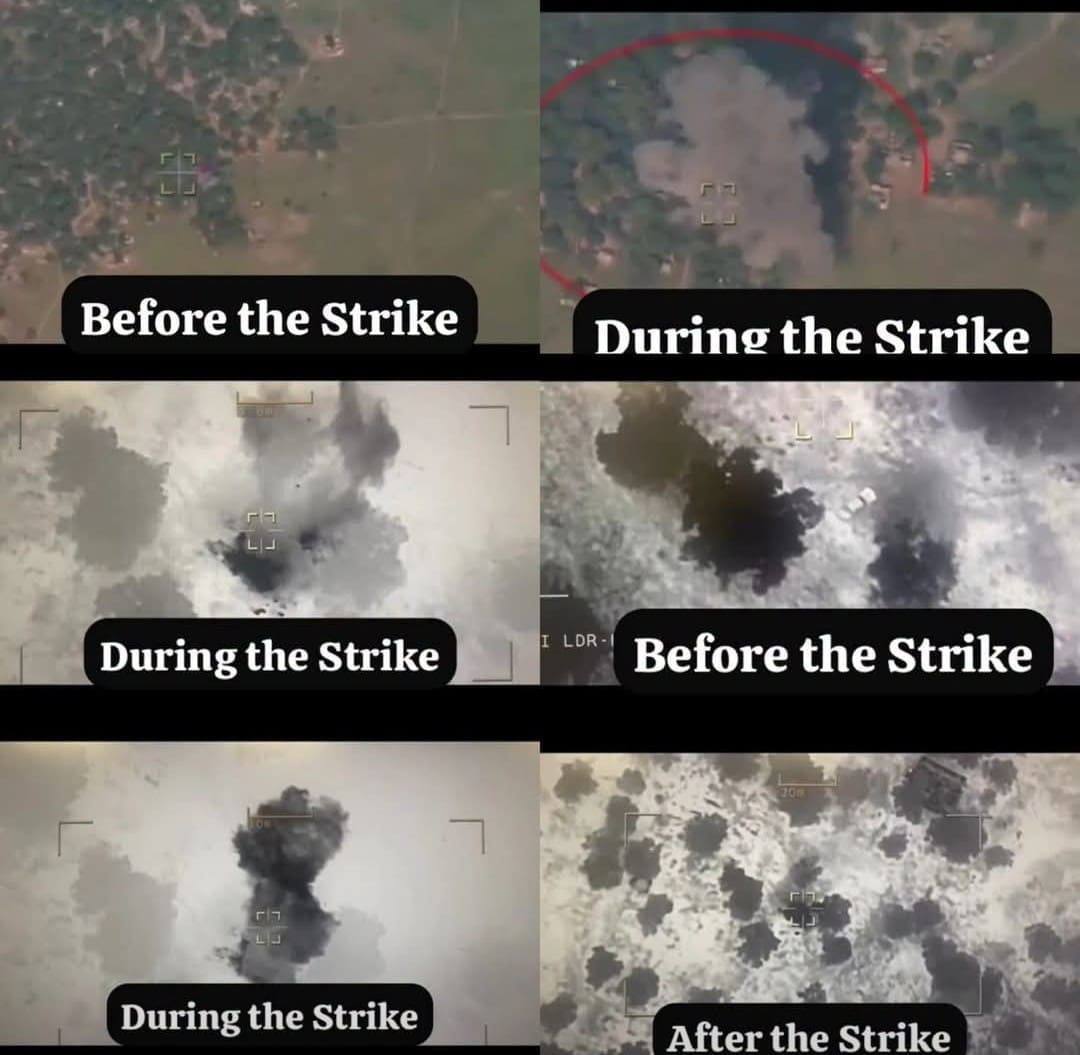
The October 28 airstrike targeted suspected insurgents north of Kerenoa, Marte county ( Local Government Area), at about 9:20 p.m. It reportedly killed 15 fighters and destroyed structures suspected of storing improvised explosive device (IED) materials. The military also reported that an ISWAP official identified as the area’s Wali, or governor, was critically wounded, according to The Sun Nigeria.
The military’s separate announcement of 44 deaths across three operations does not establish whether the 15 reported Kerenoa casualties were included.
“This is not random success. This is pressure on land, on water, in the air,” Major Dele Jerome said in a chat with a TruthNigeria reporter. Jerome praised Operation Hadin Kai personnel for their professionalism and courage, adding, “I am proud of this combined exercise. It shows coordination is possible in the fight against terrorists.”
Kerenoa Strike Targeted Suspected ISWAP Leadership
The military said the air mission followed intelligence reports about terrorist activity around Kerenoa. Surveillance reportedly tracked two suspected fighters riding a motorcycle to a makeshift structure beneath a tree. Further monitoring detected additional movements around the location, prompting precision strikes.
A post-strike assessment indicated that 15 suspected terrorists were killed and structures destroyed, according to The Sun Nigeria. A secondary fire suggested the site might have been used to store IED-related logistics.
The military identified Abu Musanna and Hassan Abu Huraira as prominent ISWAP commanders among those reportedly killed. Several other fighters were said to have sustained serious injuries, including the area’s Wali (military governor). Their wider operational roles remain unclear.
Separately, Troops Reported 44 Deaths Across Three Operations
Captain Mohammed Goni, Acting Media Information Officer at the Headquarters of Joint Task Force North East, Operation Hadin Kai, announced the 44-fighter tally in a statement reported by Punch on Thursday, October 29.
Goni said troops had sustained their offensive through coordinated, intelligence-led operations. The military reported that the engagements destroyed vehicles, motorcycles and materials associated with explosive devices.
The first engagements occurred on Monday, October 26, at separate locations in Kukawa Local Government Area, following intelligence reports and surveillance observations. A battle damage assessment indicated that 28 suspected terrorists were killed and six others injured, Goni said.
Lake Chad Operations Targeted Suspected Fighters
On Wednesday, October 28, the Maritime Component of Operation Hadin Kai, operating from the Naval Base Lake Chad in Baga, conducted offensive actions against suspected terrorist targets in the Lake Chad area.
“Preliminary assessments indicated that eight suspected fighters were killed and 10 others injured”, Goni said in a statement to the national media. The military’s public account did not identify the targets or specify whether boats, weapons or other equipment were recovered.
The Lake Chad region’s islands and waterways complicate security operations because armed groups can move through remote areas and across national borders. Sustained surveillance and coordination are important to restricting militant movement and preventing groups from rebuilding their capacity.
Air Mission Disrupted Suspected IED Operation
A separate air interdiction mission reportedly disrupted a suspected terrorist team preparing to lay improvised explosive devices. The military said eight operatives were killed and their vehicle, motorcycles and IED materials destroyed.
“The operation prevented the terrorist team from proceeding with its planned activity,” Goni said, according to Punch.
The statement did not disclose the location, intended target or quantity of explosive materials destroyed. Roadside bombs threaten security personnel and civilians travelling through conflict-affected areas, but the military did not identify a specific target or planned attack.
TruthNigeria reported in May that a Civilian Joint Task Force commander was killed when an IED detonated beneath his vehicle near Baga, illustrating the continuing danger posed by roadside explosives around the Lake Chad axis.
Battlefield Gains Must Translate Into Civilian Protection
TruthNigeria has also reported on the dangers facing troops and civilians after ISWAP fighters overran a military base in Mairari, Guzamala Local Government Area, in an attack that witnesses and other sources said caused heavy military casualties. That episode underlined the challenge facing security forces: reported battlefield successes must be followed by sustained protection of military positions and nearby communities to prevent insurgents from regrouping.
Goni said, “Operation Hadin Kai remained committed to degrading terrorist capabilities, restricting their freedom of action and protecting communities across the Northeast. The theatre command urged residents to provide credible, timely information to security agencies in support of ongoing operations and efforts to restore lasting peace.”
For Borno residents, the ultimate test will extend beyond casualty figures. Lasting security must protect families, farmers and travellers, prevent further attacks and allow communities to resume daily activities without fear.
Onibiyo Segun reports on terrorism and conflict for TruthNigeria.