By Mike Odeh James and Olikita Ekani
MAKURDI, Nigeria — Eleven people died at Ayilamo on September 10, the same day a U.S. military cargo plane delivered equipment to Nigerian forces.
Three suspects are now in custody, Vanguard reported, a rare test of whether months of American pressure are producing accountability for attacks on civilians
Fulani Ethnic Militia (FEM) attacked Ayilamo, a community of mainly Christian Tiv farmers in Logo County, Benue State, killing seven civilians and four police officers. Benue sits in Nigeria’s Middle Belt, where land, faith and cattle have been fought over for more than a decade.
An Hour of Gunfire
Residents said about 200 heavily armed attackers entered Ayilamo at about 4:50 p.m. Mobile Police units fought them for roughly an hour before the gunmen withdrew into the forest. Four officers died holding the line.
“Before this attack, they were attacking our farms, threatening farmers and beating people up,” said Nguemo David, a Christian farmer and mother of four who survived. “It is not new. The security officials were warned several times.”
David identified the attackers as the Fulani tribe. Police have described them as suspected bandits and have not publicly established the identity or affiliation of every attacker. Ethnicity alone cannot establish responsibility for an attack.
Three Suspects Arrested in Nasarawa
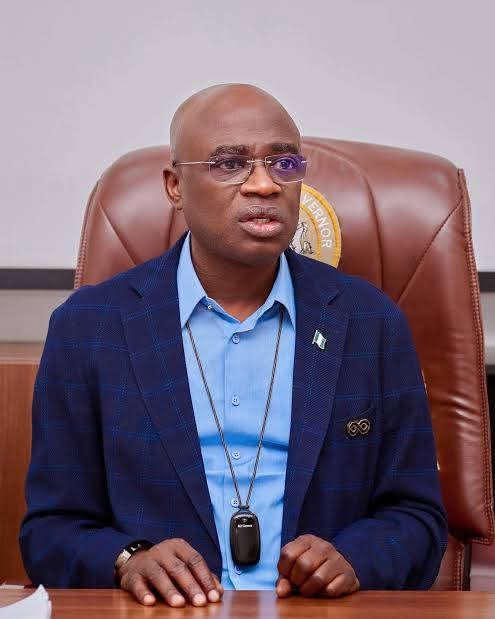
Credit: Chief Press Secretary, Kula Tersoo.
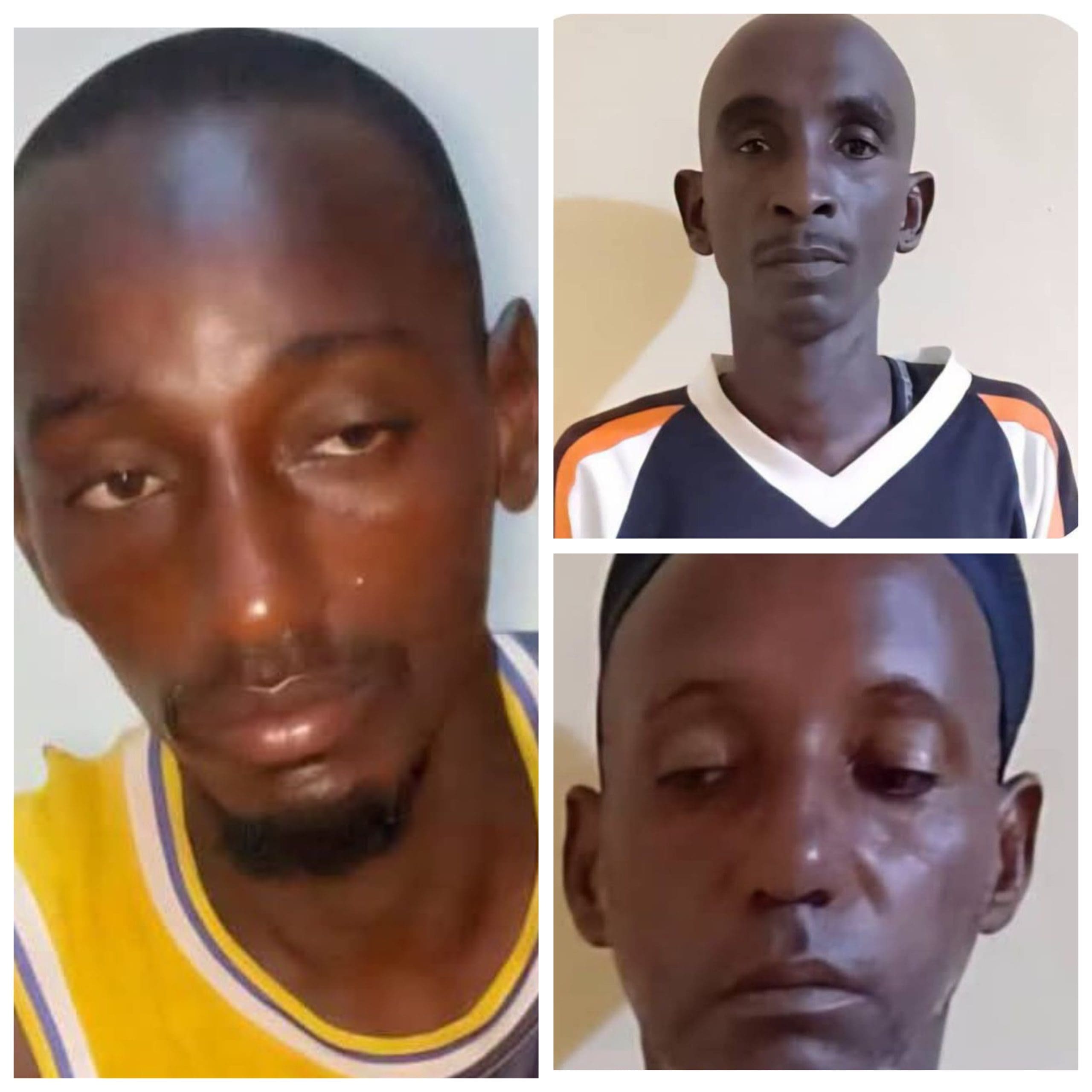
The Department of State Services has arrested three suspects allegedly linked to the attack. Benue Governor Hyacinth Alia credited DSS personnel in Benue and Nasarawa. His spokesman, Tersoo Kula, confirmed on TVC News that the arrests were made in Nasarawa State.
“We heard of the arrest but we have not been briefed officially,” said DSP Peter Aondongu, the Benue Police Public Relations Officer.
Adam Adakole of Adakson Security Consultancy in Takum identified the suspects as Usman Muhammad, Isa Ibrahim and Idrissa Jibrin. Based on their names, Adakole said he believed they were Fulani Terrorists.
That remains an allegation, not a judicial finding. The three men have not been convicted of any role in the attack.
Adakole said the arrests could point to a broader network operating from Nasarawa, which borders Benue. Two Nasarawa men were among nine suspects the DSS charged over the Yelwata massacre in Benue.
Months of Washington’s Pressure
The United States has spent much of the past year pressing Nigeria over attacks on civilians and alleged persecution of Christians.
President Donald Trump designated Nigeria a Country of Particular Concern in October 2025. The label is reserved for governments involved in or tolerating severe religious-freedom violations. On Christmas Day, U.S. forces struck terrorist targets in Sokoto State in coordination with Nigeria, and Trump warned that more action could follow if attacks continued.
A congressional delegation led by Representative Riley Moore visited Benue and met Catholic leaders and the traditional ruler of the Tiv people. The two governments then formed a joint working group on counterterrorism and religious freedom. In May, American and Nigerian forces carried out coordinated strikes against Islamic State West Africa Province (ISWAP) in the Northeast.
Then, on September 10, the day Ayilamo was attacked, the C-17 landed at Nigerian Air Force locations in Lagos and Kainji.
Is the U.S. Nigeria Alliance Working?
Only by a fraction, according to David Onyilokwu Idah, a director at the International Human Rights Commission in Abuja, who said Washington must apply more pressure.
“That more than 200 attackers could sneak into a Christian community at this particular time shows that the Federal Government, the Army and the DSS are not living up to expectations,” Idah said.
He called for more troops along Benue’s borders, backed by drones and helicopters to monitor militia routes.
Adakole wants the same pressure currently applied against Islamic State fighters in the northeast to be turned on armed groups in Nasarawa State.
“If President Bola Tinubu and his defense chiefs are sincere, they would direct U.S. air power, cruise missiles and drones to Nasarawa State,” he said.
Any such action would require evidence identifying specific targets. Security experts have pointed out that operations targeting ethnicity rather than culpable individuals could result in collective punishment, and resentment, which could deepen the conflict.
The Real Test
Nigeria has made arrests after major attacks before. The harder question is whether arrests lead investigators to the people who organize, finance and arm the gunmen.
An assault by some 200 attackers is unlikely to be spontaneous. Someone had to identify the target, assemble the fighters and decide when to strike.
If investigators establish the suspects’ roles, identify their commanders and trace the money and weapons behind the operation, the arrests could mark a meaningful change in Nigeria’s response to Middle Belt violence.
If the case ends with three suspects in custody and no prosecution, it will be another entry in a long record of attacks in which communities counted their dead while those behind the violence remained beyond reach.
Nguemo David said the warnings came long before the gunmen arrived.
Now the question for Abuja and Washington is whether those warnings will finally lead to more than arrests.
Will they lead to accountability?
Mike Odeh James and Olikita Ekani are Conflict Reporters for TruthNigeria.